

Design Your Family Command Center With Confidence
Mapping Routines That Actually Stick
Daily Rhythms Without Friction
Start with the first and last fifteen minutes of the day. Define a simple flow—wake, water, stretch, breakfast, backpacks; later, reset, gratitude, prepare for tomorrow. Post it where kids can see and adults can reinforce without nagging. Add pictures for younger readers and time ranges instead of exact minutes. Test for one week, then tune based on what actually happened, not what you hoped would happen when energy was perfect.
Shared Calendars, Shared Clarity
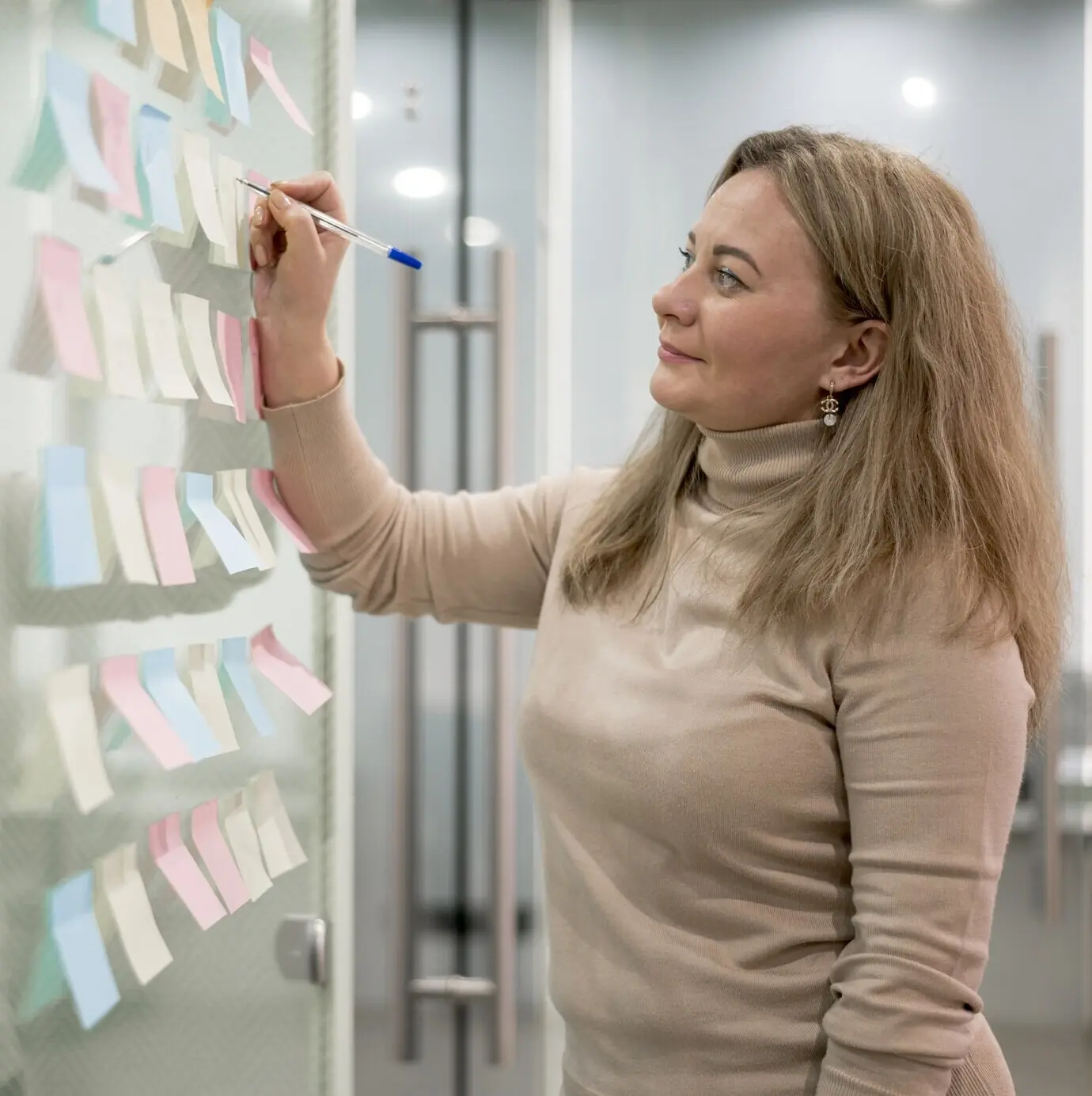
Color-code people and categories, then decide one master source of truth. A kitchen whiteboard can mirror a digital calendar, but only one is authoritative. Place recurring anchors first—meals, practices, bedtime—then fit extras. Include travel buffers and transition notes like “leave shoes by door” so the plan reduces micro-decisions. Ask each person to announce their week during a quick check-in, catching conflicts before they grow into stressful, last-minute scrambles.
Decision-Making That Reduces Noise
Tools, Boards, and Digital Hubs
Choosing Your Central Surface
A sturdy magnetic whiteboard at eye level becomes the household cockpit. Divide it into clear panels: monthly overview, weekly plan, today’s focus, and quick requests. Add a small inbox corner for notes and permission slips. Use distinct marker colors and keep replacements in a labeled cup. Wipe daily to maintain trust in the information. A reliable surface quietly trains everyone to look once, understand quickly, and move forward with fewer interruptions and questions.
Apps That Play Nicely Together
Pick a calendar that syncs across devices, a task manager with shared lists, and a chat space for quick updates. Connect them lightly: calendar events spawn task reminders; tasks trigger gentle messages. Avoid over-automation that confuses. Start with names everyone recognizes and a consistent naming style. Review monthly to cull stale lists. When the stack serves the routine, not novelty, technology fades into the background, supporting attention instead of splintering it across screens needlessly.
From Chores to Commitments
Agreements Everyone Signs
Motivation Without Micromanaging
Handling the Unexpected

Sustaining Momentum and Joy

All Rights Reserved.