

Build Your Personal Operating System for Everyday Life

Today we dive into Personal Operating Systems for Everyday Life, a practical approach to organizing routines, information, and decisions so your days feel calmer and more intentional. Expect clear principles, relatable stories, and simple experiments you can try immediately. Tell us what parts resonate most, where you feel stuck, and which tiny upgrade you will test this week. Subscribe for ongoing prompts, checklists, and examples that help you refine and sustain meaningful change without burnout.

Core Principles That Make Life Run Smoother

A reliable system rests on a few durable principles: clarity before speed, consistency over intensity, and short feedback loops that correct you gently without shame. Start small, protect time for maintenance, and expect to adjust as seasons change. When I first adopted these ideas, my mornings stopped feeling like a race and started feeling like a quiet ramp toward deep work. Use these principles as guardrails, not rigid rules, so progress feels flexible yet unmistakable.

Clarity Before Speed

Rushing without understanding multiplies rework. Take a minute to name the outcome, define the boundary, and choose the next visible step. When a chore grows fuzzy, pause and restate what “done” looks like in concrete terms. That tiny clarity investment saves hours, lowers anxiety, and makes even intimidating tasks feel approachable. You will notice fewer false starts, cleaner handoffs, and a calmer sense of control over your day’s moving parts.

Consistency Over Intensity

Sprinting once is impressive; showing up steadily is transformative. Choose a version of your routine so small it survives bad days and busy seasons. Ten minutes of planning beats an hour you skip. A short nightly reset restores momentum, prevents backlog creep, and protects tomorrow’s focus. Over time, consistent repetition compounds into trust: you trust your lists, your calendar, and your ability to recover quickly after inevitable disruptions and unexpected obligations.

Short, Kind Feedback Loops

Instead of waiting a month to notice drift, check in daily and weekly with gentle prompts. What worked? What was heavy? What can be simplified? Keep the tone kind, never punitive, so course corrections feel safe and frequent. These loops surface friction before it turns into overwhelm, helping you refine tools, adjust commitments, and keep the whole system responsive to changing energy, responsibilities, and the realities of ordinary, unpredictable life.

Designing Your Information Flow
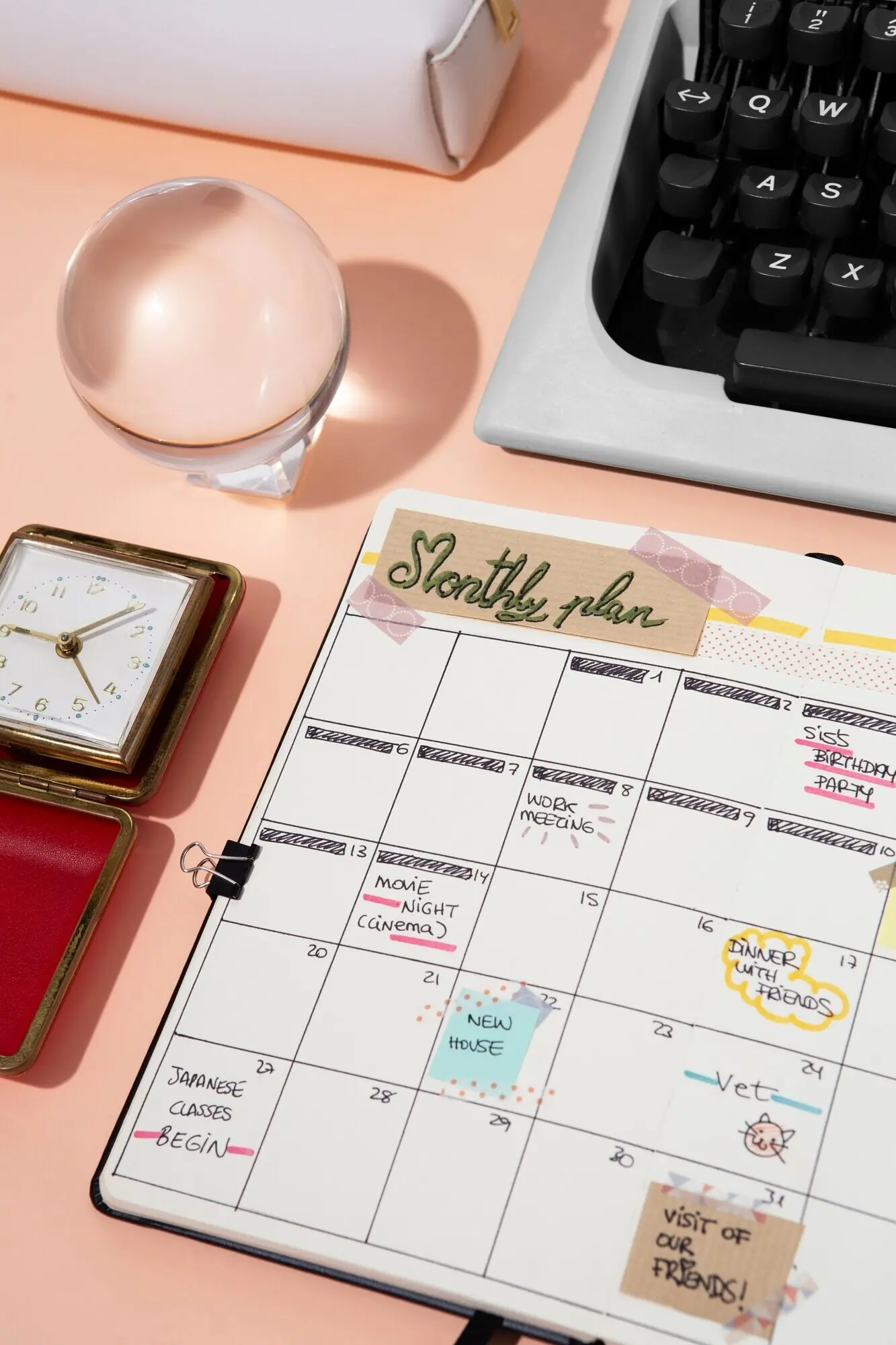
Information arrives from everywhere: messages, meetings, ideas in the shower, and passing requests from friends. A personal operating approach channels these inputs through a small number of capture points, then processes them into clear next actions, calendar events, or reference notes. When everything has a trusted home, your mind stops rehearsing reminders and starts focusing on creative work. This shift reduces missed details, speeds decisions, and turns scattered inputs into reliable momentum you can sustain.

Daily, Weekly, and Monthly Rhythms

Rhythms give structure without rigidity. A brief daily startup sets intention, a small shutdown prevents loose ends, a weekly review cleans the windshield, and a monthly reset realigns resources with what truly matters. These rituals make priorities visible and effort proportional to impact. When inevitable surprises land, rhythms absorb the shock, helping you re-plan with grace. Over months, these practices turn into a steady drumbeat that carries projects forward without drama or exhaustion.

Tools, Maps, and Dashboards That Actually Help

Great tools are invisible when they work. Choose a small stack you trust, then design a single home base where tasks, notes, and calendar come together. Create maps that show projects at a glance and dashboards that highlight only what matters today. Favor low friction over flashy features. When failure happens, fail soft: clear recovery steps, autosave, and backups. Over time, your environment becomes a quiet partner, not another source of complexity.

One Home Base to Rule the Chaos

Whether it is a notebook or an app, designate one unmistakable home base. Pin it, place it, and train yourself to start there. From this anchor, link out to projects, documents, and reference. The benefit is unmistakable: less context switching, fewer lost tasks, and quicker re-entry after interruptions. A dependable home base reduces friction each time you begin, making progress feel almost automatic even on messy, unpredictable, and demanding days.

Templates and Checklists for Reusable Wins

Turn recurring efforts into templates: meeting agendas, packing lists, weekly review prompts, and project kickoffs. Checklists reduce decision fatigue, raise quality, and make delegation easier. Every time you repeat a process, note what went wrong and adjust the template. These small refinements prevent preventable mistakes and preserve attention for truly creative work. Over weeks, your repeated routines become smoother, faster, and more enjoyable, freeing time for exploration, rest, and meaningful relationships.

Three Outcomes, Not Thirty Tasks

Start each day by naming three meaningful outcomes, not an endless task dump. Translate them into first steps you can begin in five minutes. Park everything else in a someday list or scheduled block. This constraint unlocks momentum by making success visible and achievable. The fewer priorities you choose, the more energy you invest where it counts, and the easier it becomes to say a confident, respectful no to attractive distractions.

If–Then Rules That Reduce Decision Fatigue

Pre-decide common scenarios with simple if–then rules. If a request requires more than thirty minutes and is not mission-critical, propose an asynchronous alternative. If energy dips, switch to a checklist task. If calendar overload appears, renegotiate before committing. These rules lower friction, protect boundaries, and create consistent behavior that others learn to respect. The result is fewer debates with yourself and more reliable progress during the messy realities of ordinary days.

Saying No With Grace and Clarity

A respectful no protects your best yes. Keep short scripts ready: thank, decline, suggest an alternative, and, when helpful, offer a future window. Track requests so you can respond thoughtfully, not reactively. Saying no is easier when your priorities are written and shared. Over time, people trust your boundaries, and you earn the freedom to focus on commitments that align with your values, capacity, and the season of life you are in.

Automate the Sand in Your Gears

Target tiny, frequent annoyances: renaming files, filling meeting notes, sending reminders, or moving receipts. Use rules, shortcuts, or templates to remove manual steps. Each automation returns a minute, and minutes turn into hours monthly. More importantly, you protect attention from context switching. Start with one small automation per week, document it simply, and celebrate the saved time. This momentum fuels the next improvement and keeps your environment pleasantly self-maintaining.

Delegate to People and Your Future Self

Delegation expands capacity when you provide context, checklists, and clear definitions of success. When no person is available, delegate to your future self: write step-by-step notes, stash links, and save partial drafts. This turns tomorrow’s start into a rolling launch, not a cold struggle. Thoughtful delegation builds trust, preserves quality, and makes it easier to say yes to opportunities without overcommitting or sacrificing rest, relationships, and creative exploration along the way.
Refituhurekovovizavulaho
Privacy Overview

This website uses cookies so that we can provide you with the best user experience possible. Cookie information is stored in your browser and performs functions such as recognising you when you return to our website and helping our team to understand which sections of the website you find most interesting and useful.